
The Binocular Room
- Binoculars for Long Distance: Why the Big Number Lies Handheld binoculars top out around 15x to 16x, because above that the glass magnifies your own heartbeat along with the view.
- Best Binoculars for the Money: Where the Money Stops Working For the money, almost everyone should land between about $40 and $200.
- Best Binoculars for Alaska Cruise: What to Pack for the Deck For an Alaska cruise, get a waterproof 7x or 8x pair.
- The Best Binoculars for a Cruise: A Compact 8x25 You'll Actually Carry For a warm-water cruise the pick is a compact 8x25, about $70, because the light is good and you're carrying it all day.
Binoculars are the friendliest thing on this whole shelf. No setup, no tripod for most of it, useful the same afternoon, and they rarely end up in a closet. The trick is that there’s no single best pair. The situation picks it. So instead of one answer, here’s the whole field, sorted by what you’re actually going to do.
If you only read two pages, read these
Before the doors, the two that hold everything else up.
The first is the one about power, and it’s the page I wish everyone read before they shopped: why the big magnification number lies. Your own steady hand runs out somewhere around fifteen or sixteen power, and above that you’re magnifying your heartbeat along with the view. Understand that one page and half the bad boxes on the shelf stop tempting you.
The second is about money: where the money stops working. It shows you the floor below which glass is nearly useless, and the point higher up where paying more stops buying you much of anything. Those two pages, the why and the money, are the spine of everything below.
A trip is coming up
This is where most people start, and the trip really does change the answer. An Alaska cruise wants something waterproof and steady on a wet, moving deck, while a warm-water cruise leans toward a small pair you’ll actually carry all day in good light. A safari is its own thing, thin light and seconds-long sightings. Whale watching splits on one question, whether you’re on the boat or braced on the shore, and so does fishing, where the surprise is that you’re really glassing for birds, not fish. If it’s just about packing light, that’s binoculars for travel, and if it’s a real boat, marine binoculars for boating are a specific animal worth knowing.
You’ve got a seat somewhere
Different job, closer target. For the stadium, you want something that keeps the whole play in view and fits the clear-bag rules, which is binoculars for sporting events. For a show, the power depends on the room, and binoculars for concerts walks the split between a big outdoor arena and an indoor theater, where what you actually want is a pair of opera glasses by another name.
Out on foot
If you’re carrying them for miles, weight becomes the whole conversation, and binoculars for hiking is really a question about a few ounces and what those ounces cost you in light. If you’re in the field before dawn, binoculars for hunting is about the pair that still gathers light when the woods are going dark, and I’ll tell you plainly that hunting isn’t my lane, so I quote the people who do it.
Special cases worth their own page
A few readers have one specific thing standing between them and a clear view. If you wear glasses, there’s one number that decides whether you get the full circle or a tunnel, and it lives on binoculars for glasses wearers. This is my own door, because I wear thick glasses and my night vision is shot, so I care about it more than most. For a child, the rule is low power and a tough build, cheap enough to survive the drop, over on binoculars for kids.
When one eye might be enough
Sometimes people ask about a monocular, a single tube, to save size and money. The honest answer is usually that two eyes win, and I say so both times: a monocular for bird watching tells you the narrow case where one eye is the right call, and a monocular for stargazing shows you something surprising, that for the night sky the two-eyed pair is often the cheaper choice as well as the better one.
After dark
Two pages live at night, and they get confused for each other constantly. Binoculars for stargazing is the buying page: what a good pair really shows you overhead, which is more than beginners expect and less than the photographs. Binoculars for night vision is the truth page, the one that separates gathering light from creating it, because ordinary glass can brighten a moonlit night for your eye but only a very different, heat-reading device sees in true darkness. Read that one before anyone talks you into the wrong thing.
Pick the door that matches your day. Every pair on this side of the site is just an answer to a situation, and yours is in there somewhere.
Every page in this room
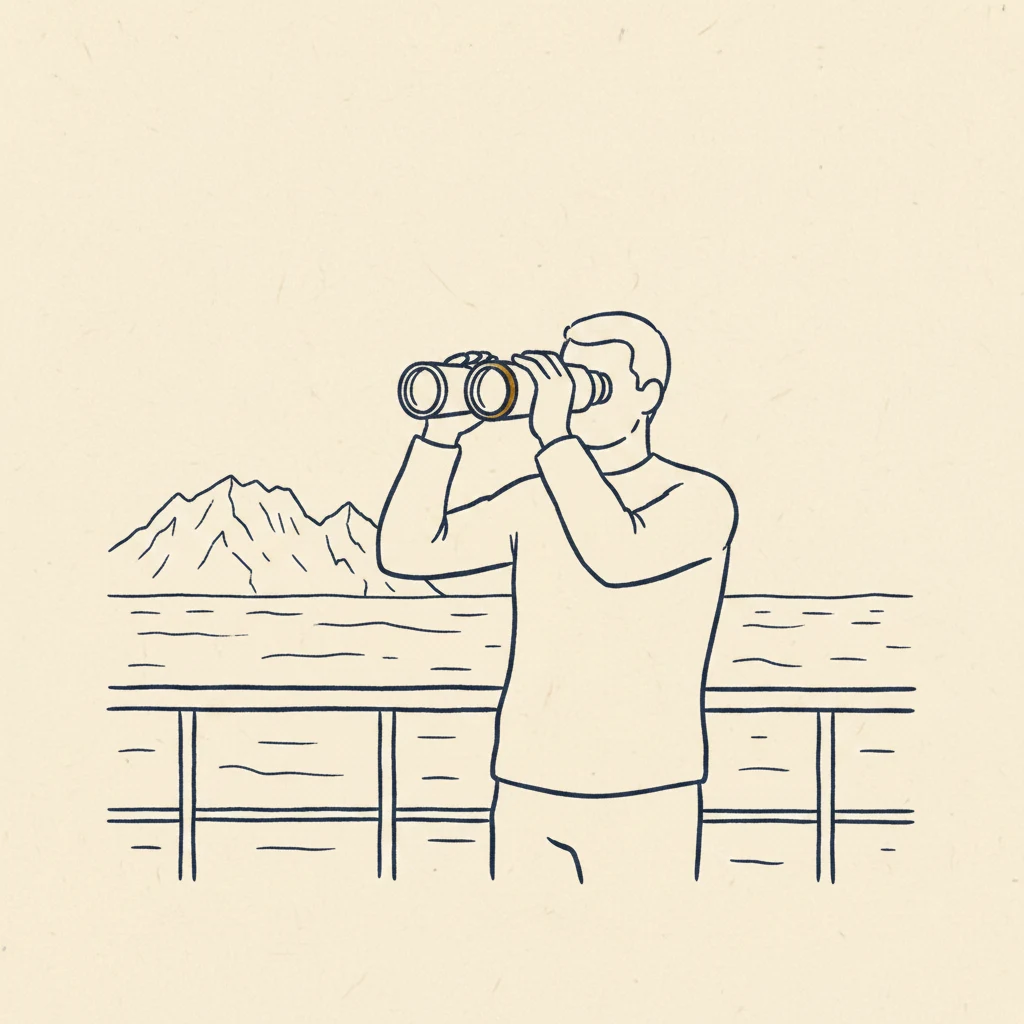 Best Binoculars for Alaska Cruise: What to Pack for the Deck For an Alaska cruise, get a waterproof 7x or 8x pair. A Celestron Outland X 8x42 runs about $100…
 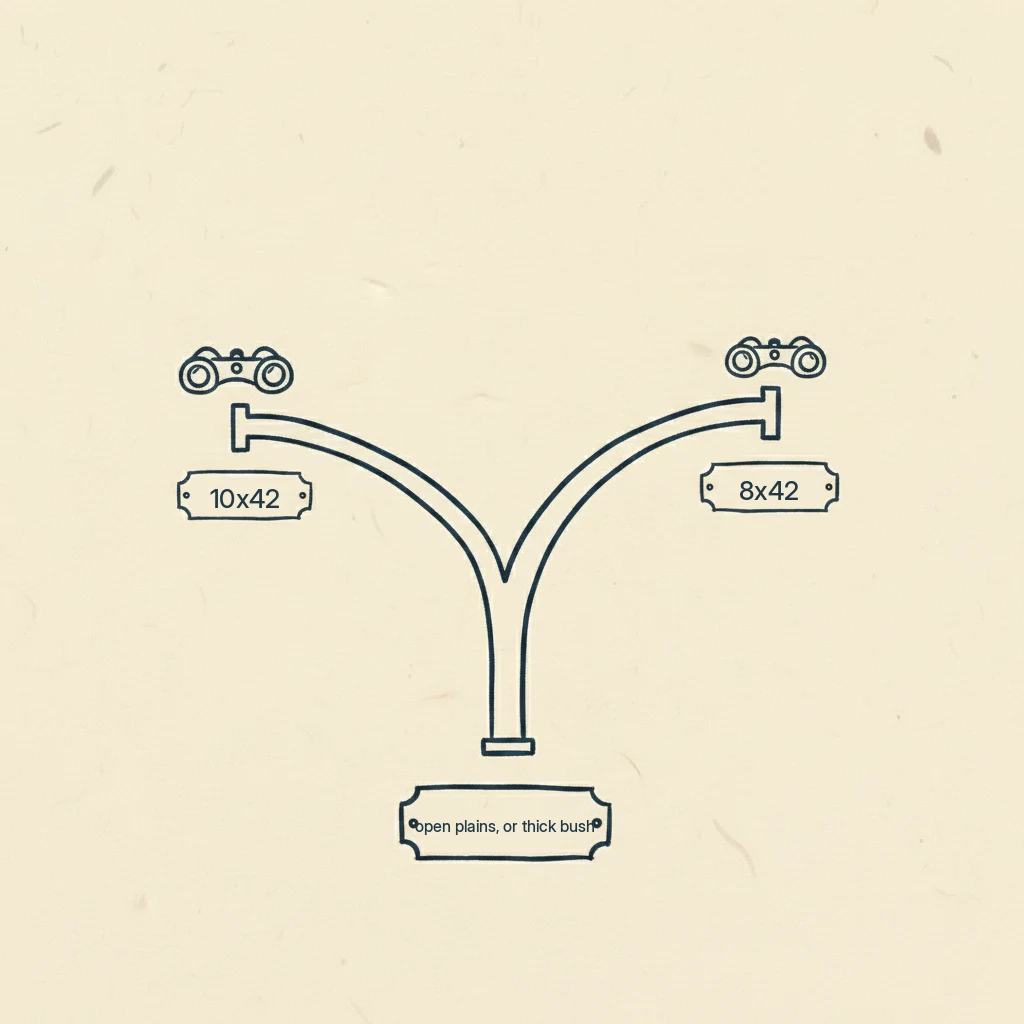 Best Binoculars for Safari: What Dawn and Dusk Really Ask For Take 10x42 for open plains from a vehicle, 8x42 for dense bush, dawn and dusk light, or a shared and shaky hand. Bring one pair per person.
 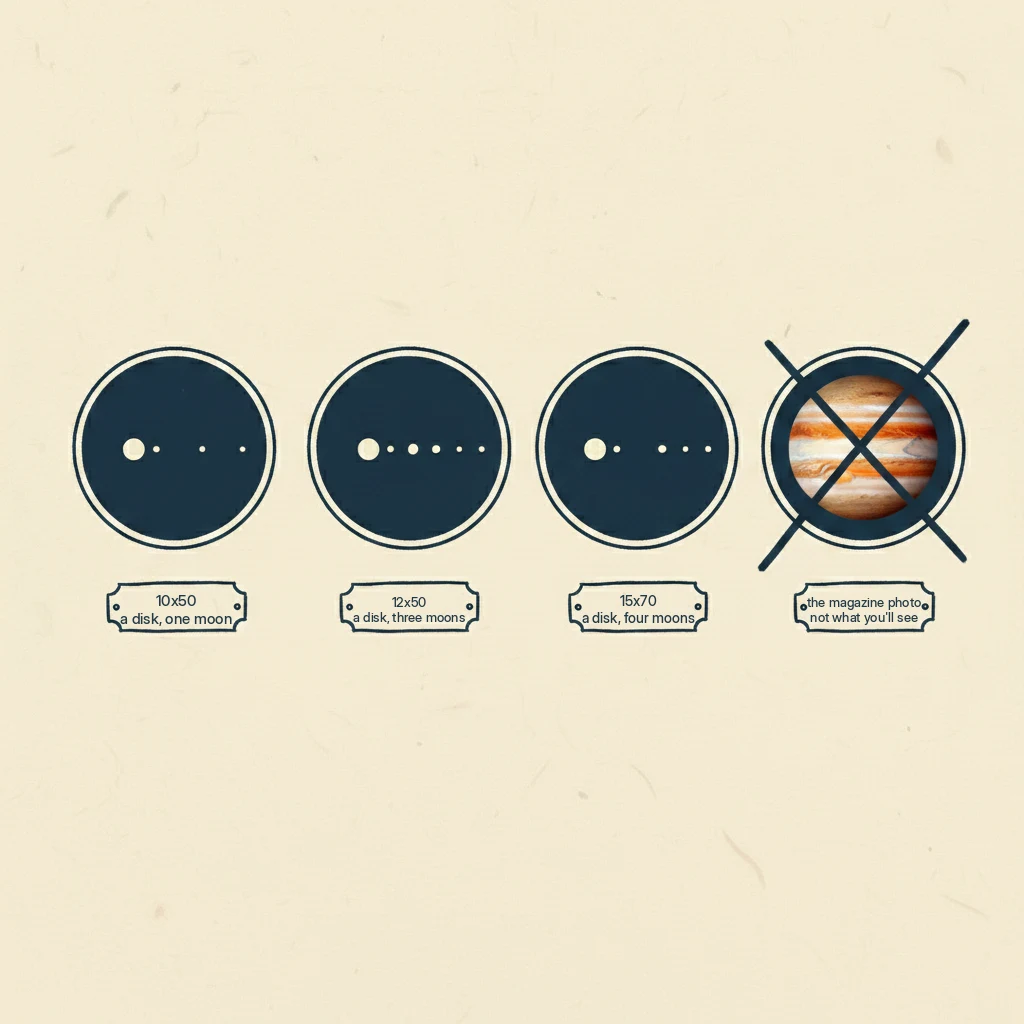 Best Binoculars for Stargazing: Start With the Pair You Can Hold For stargazing, start with a 10x50 you can hold in your hands, about $52…
 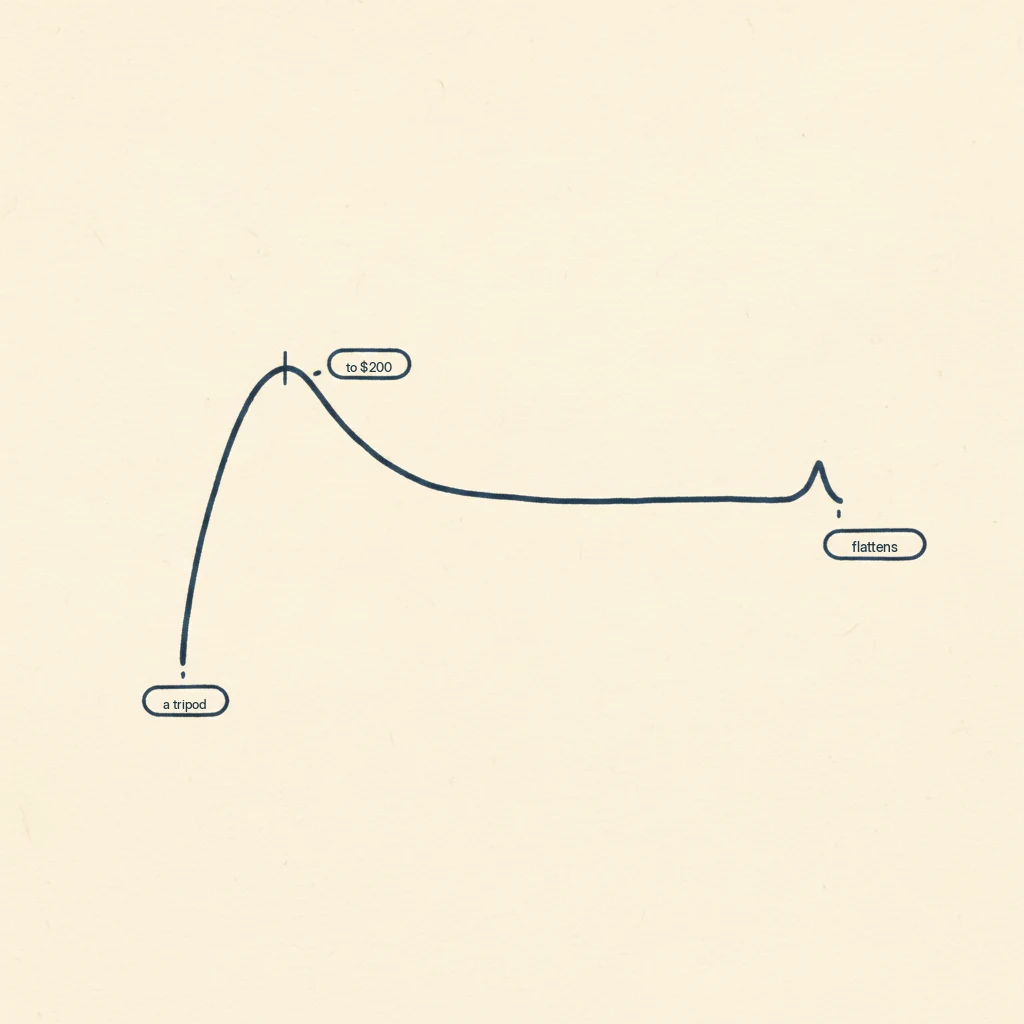 Best Binoculars for the Money: Where the Money Stops Working For the money, almost everyone should land between about $40 and $200. Below $40 the glass is nearly unusable; around $200 you're…
 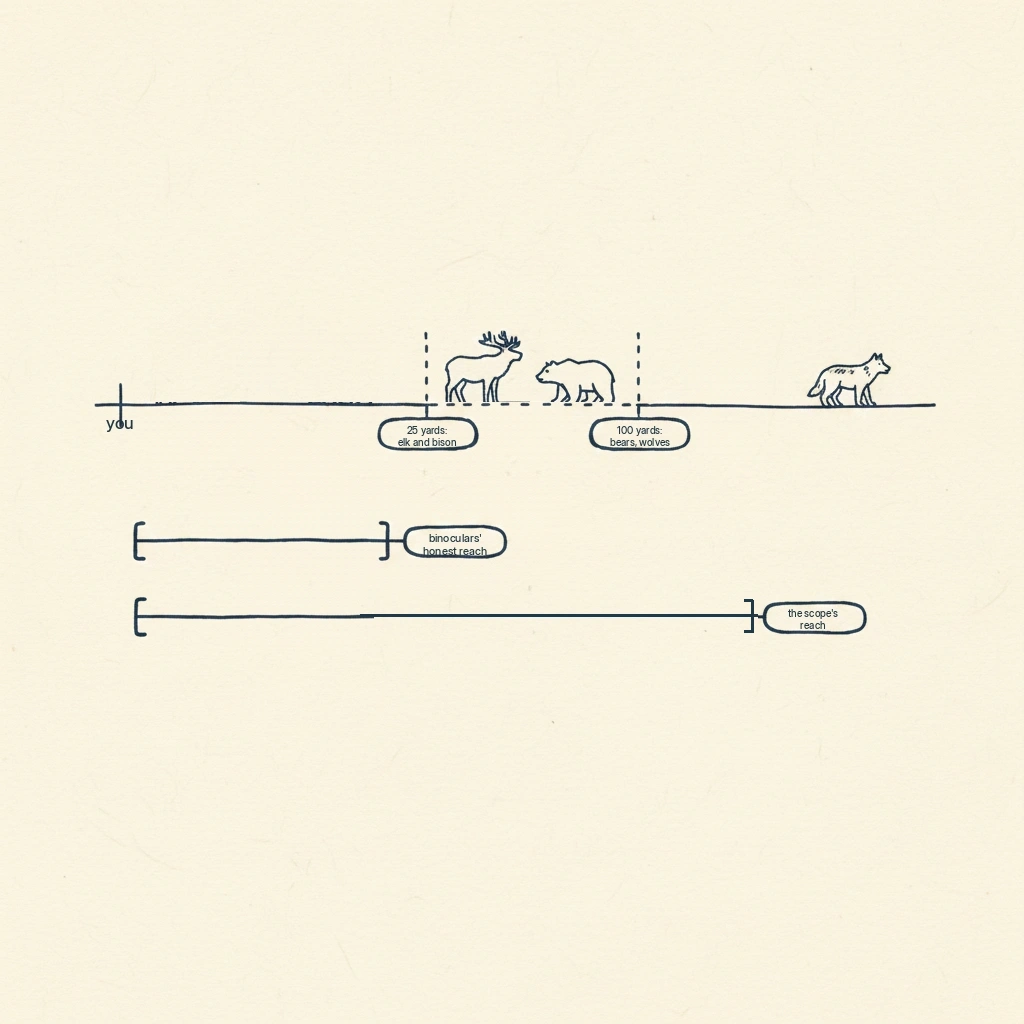 Best Binoculars for Yellowstone: The Park's Own Rule Decides This The park requires you to stay 100 yards from bears and wolves, so binoculars aren't a luxury, they're how you're allowed to watch.
 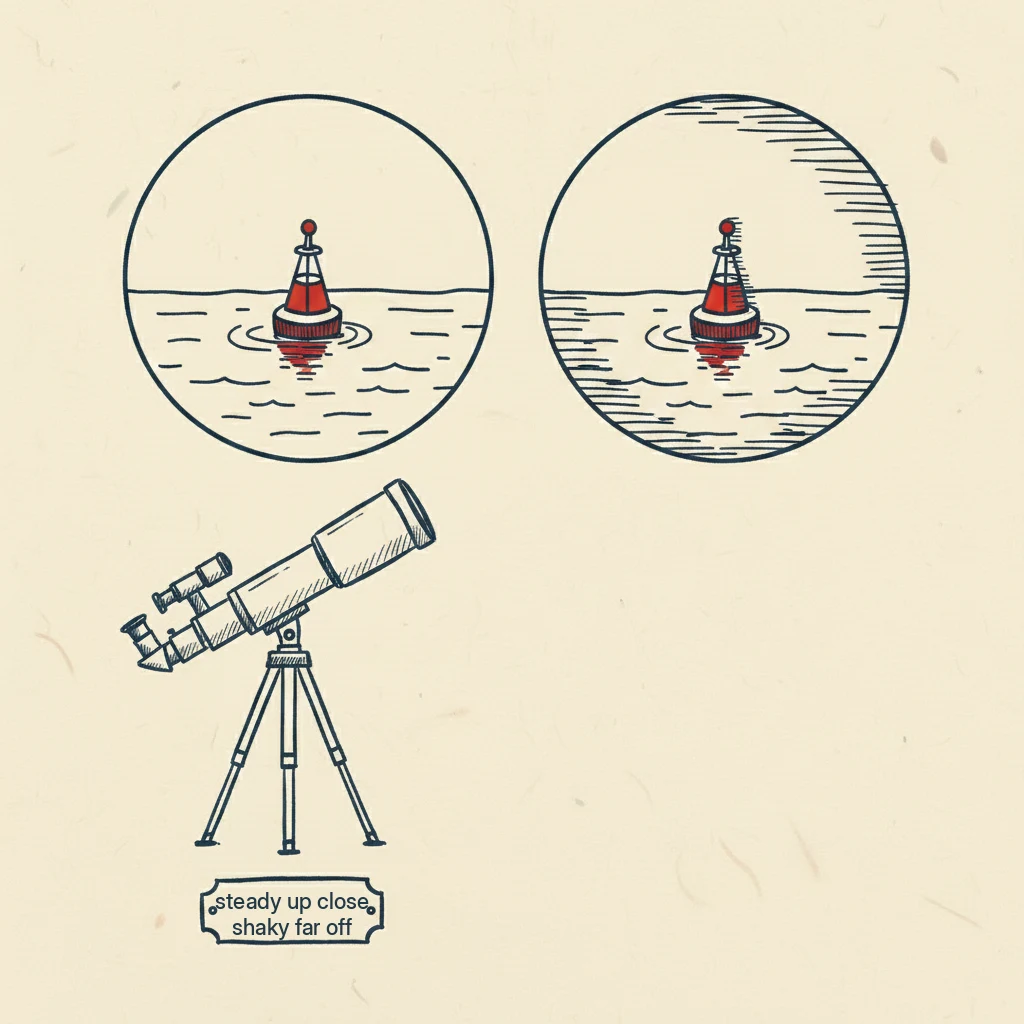 Binoculars for Boating: Why 7x50 Marine Is the Answer For boating you want 7x50 marine binoculars: waterproof, fog-proof, and rubber-armored, like the Steiner Marine 7x50 at about $375.
 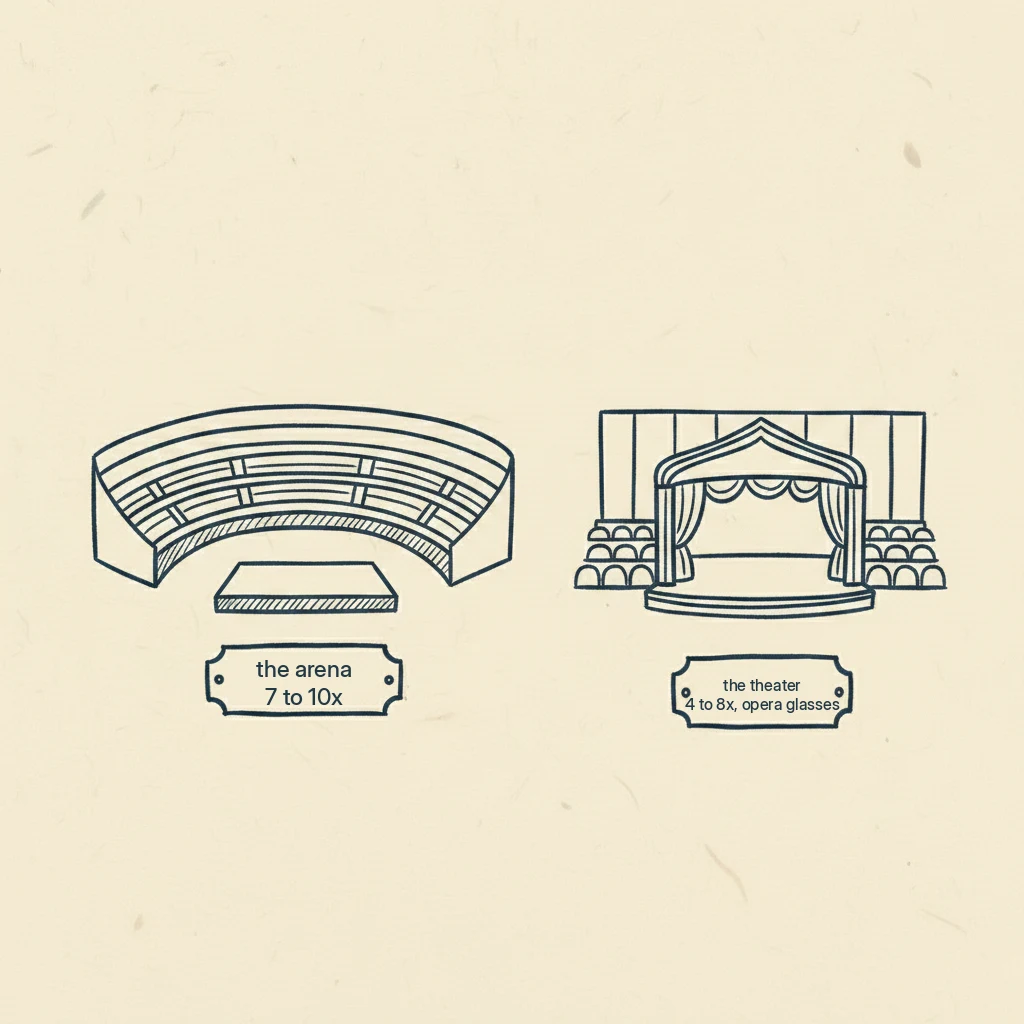 Binoculars for Concerts: Match the Power to the Venue For an outdoor arena concert use 7 to 10x. For indoor theater or opera use a compact 4 to 8x, which is what opera glasses really are.
 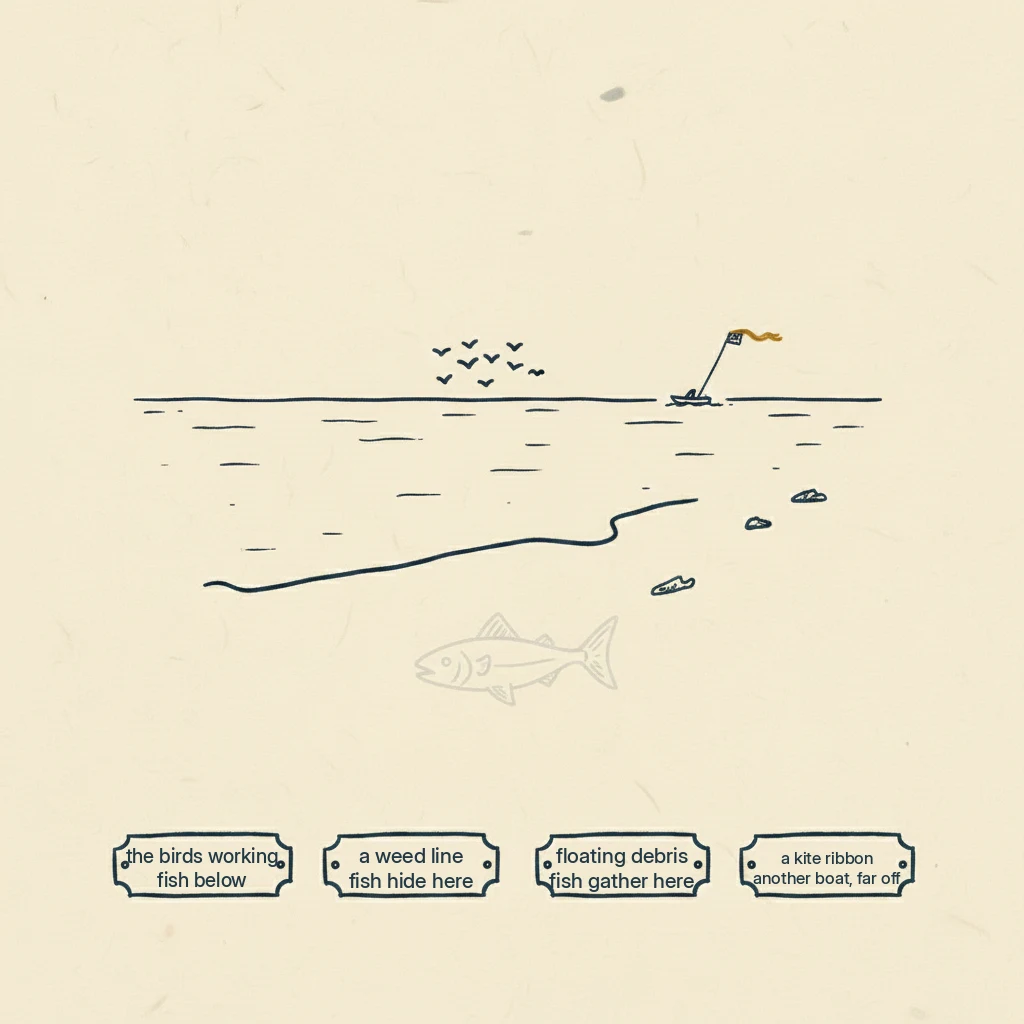 Binoculars for Fishing: You're Glassing for Birds, Not Fish For fishing you want a wide, steady, waterproof pair you can hold on a moving boat: a 7x50 marine or a 10x42 like the Bushnell H2O Xtreme…
 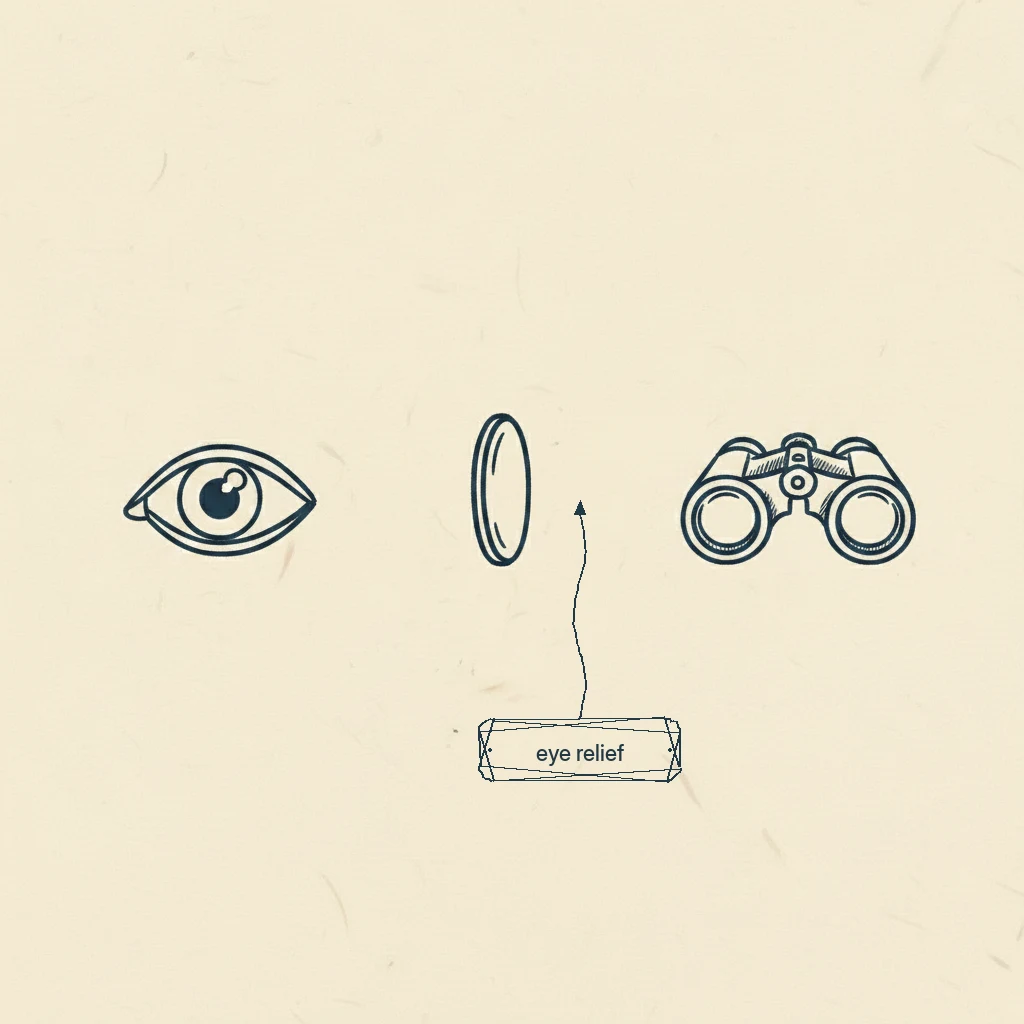 Binoculars for Glasses Wearers: The One Number to Check If you wear glasses, buy binoculars with at least 16mm of eye relief (17 to 21mm is better) and twist the eyecups down.
 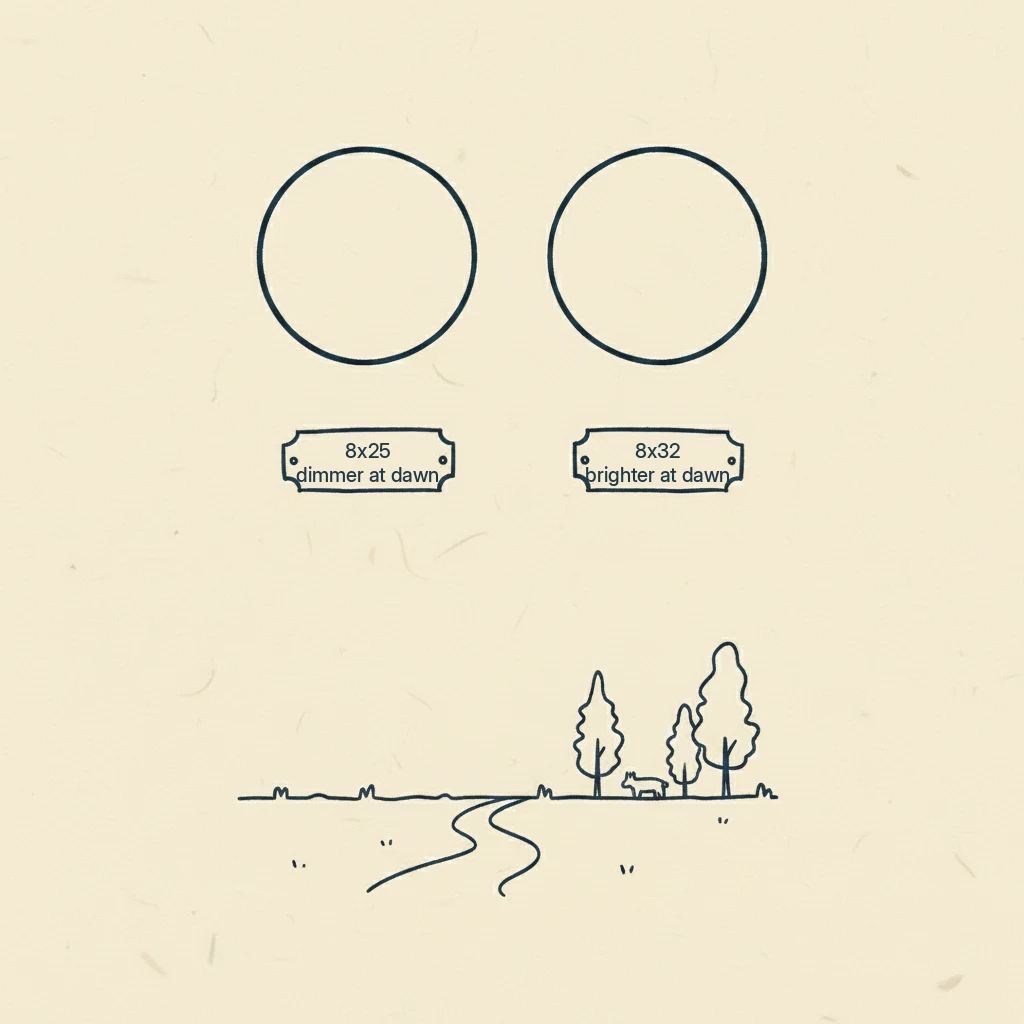 Binoculars for Hiking: It's Really a Question About Five Ounces For hiking you want 8x25 to 8x32. 8x is the power you can hold steady, a 25mm pair weighs about ten ounces and a 32mm about fifteen…
 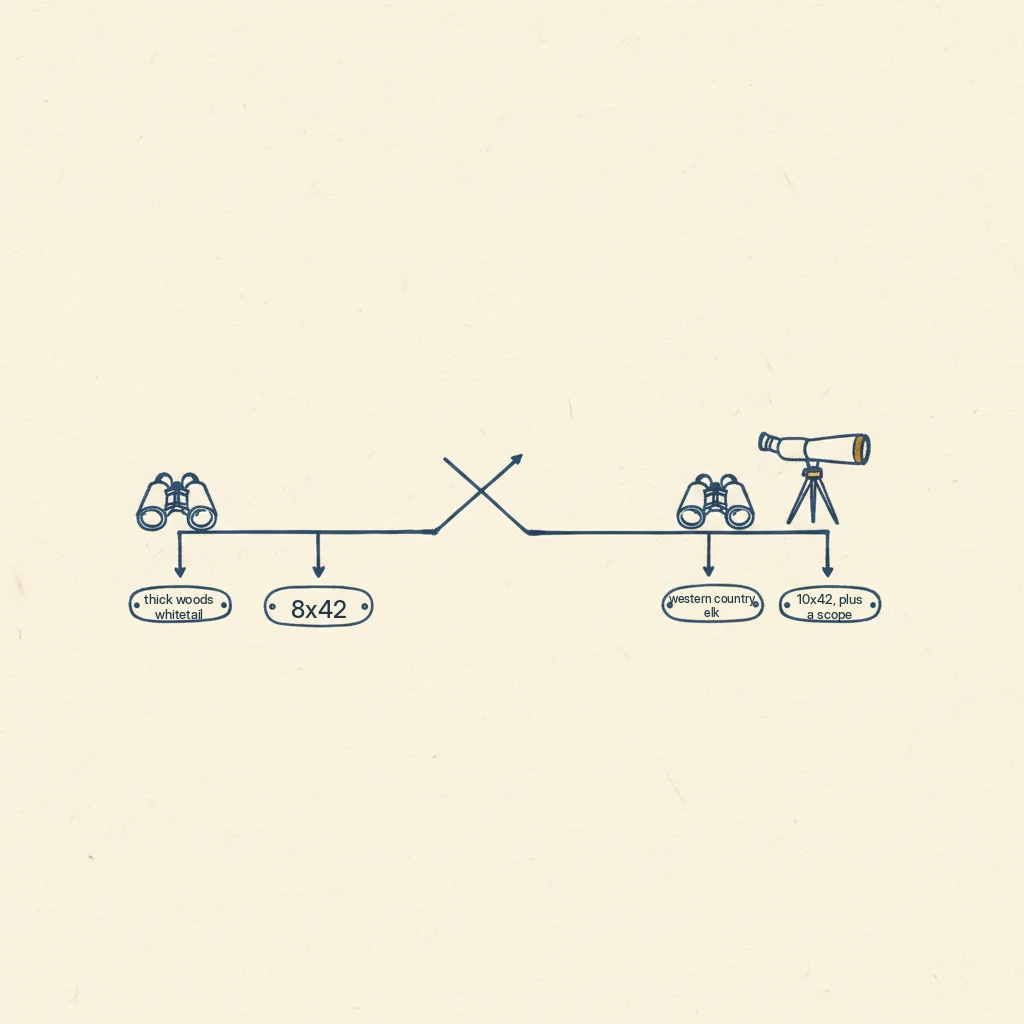 Binoculars for Hunting: The Pair, and the Free Fix Nobody Sells 8x42 for whitetail, woods, and tree stands. 10x42 for western open country, usually with a spotting scope.
 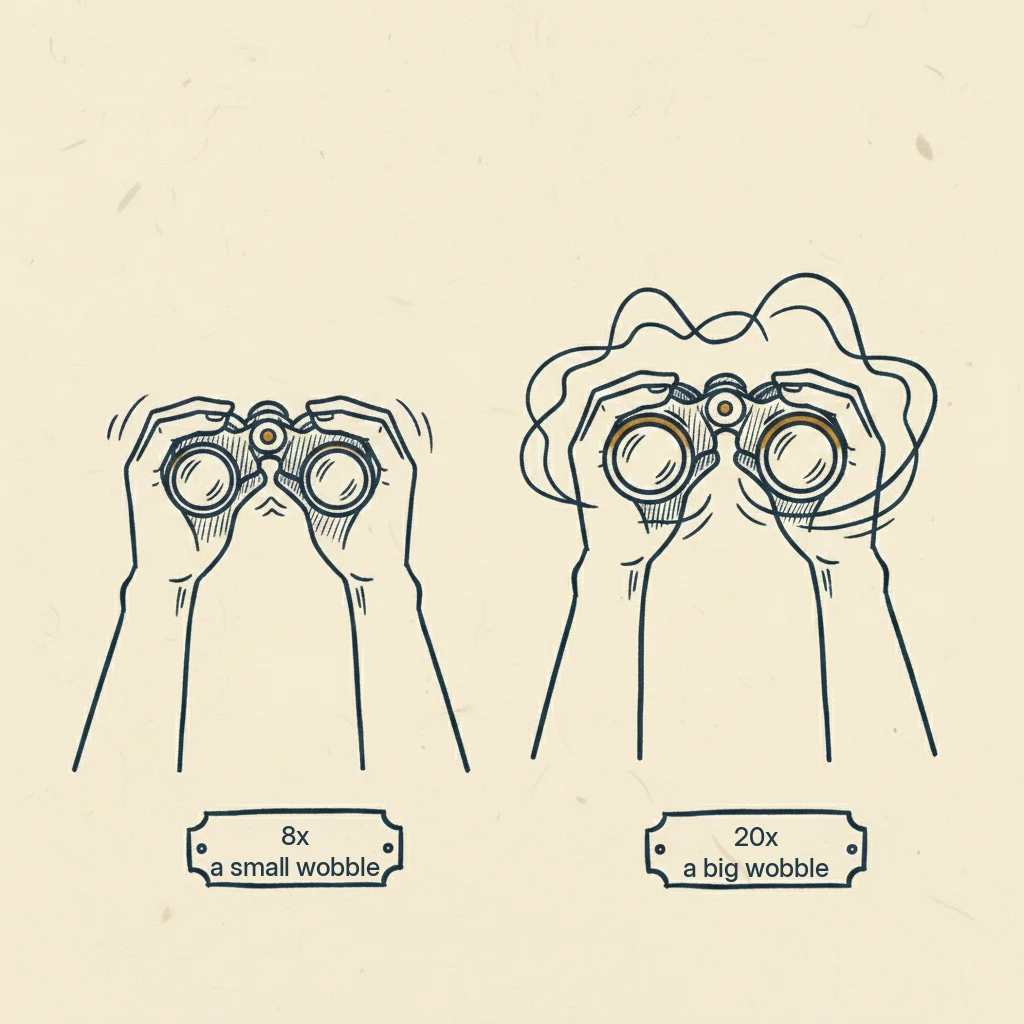 Binoculars for Long Distance: Why the Big Number Lies Handheld binoculars top out around 15x to 16x, because above that the glass magnifies your own heartbeat along with the view.
 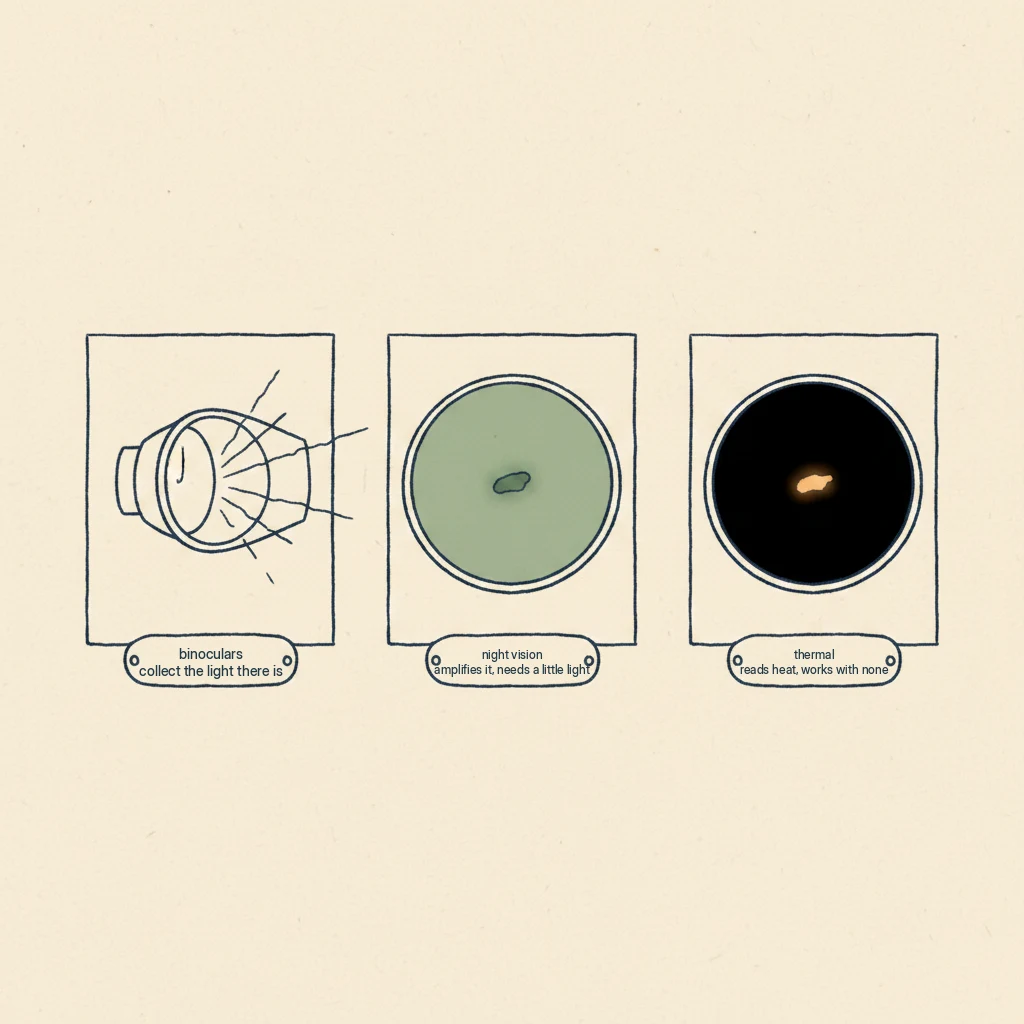 Binoculars for Night Vision: What They Can and Can't Do in the Dark Ordinary binoculars gather light, they don't create it. A 7x50 pair makes a moonlit night far brighter to your eye for about $48…
 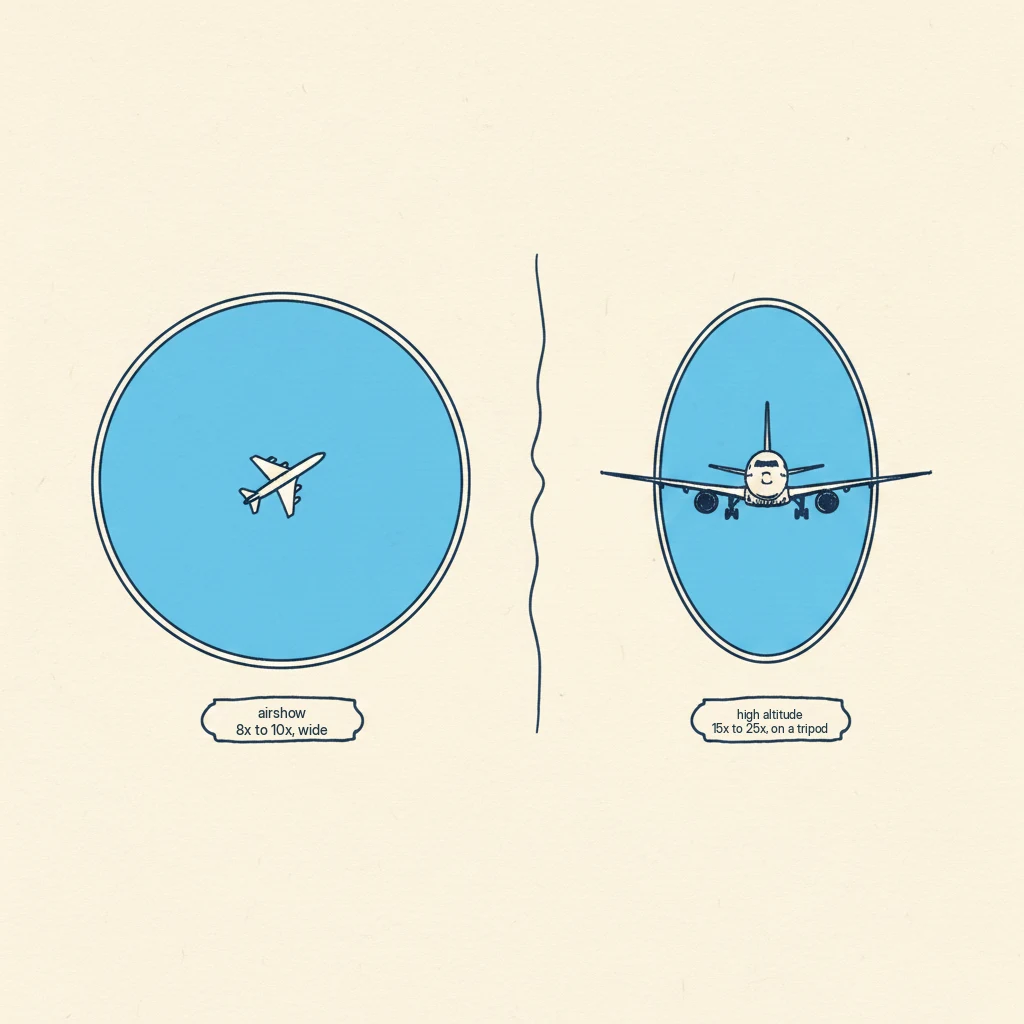 Binoculars for Plane Spotting: Two Very Different Jobs Hiding in One Phrase First decide which plane you're watching. An airshow jet wants 8x to 10x and the widest view you can get, because the trick is catching it.
 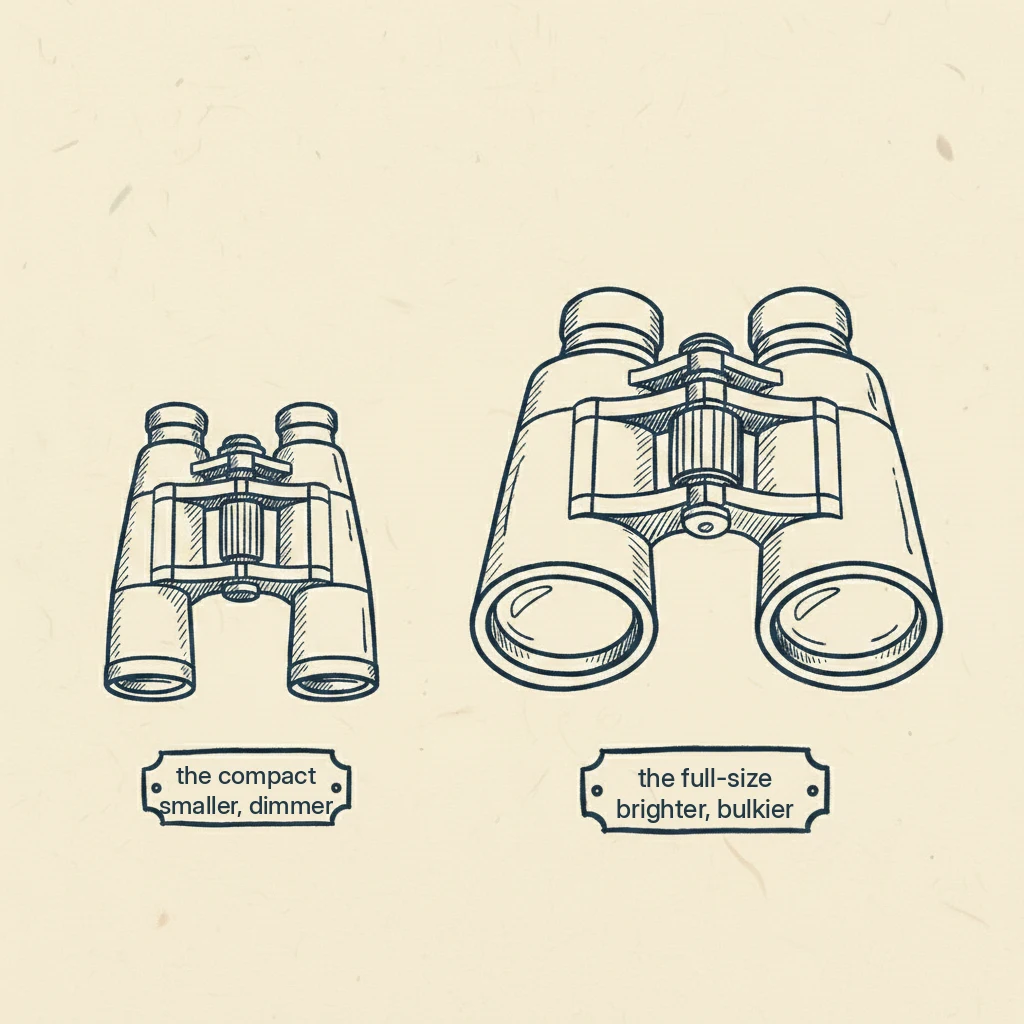 Binoculars for Travel: The Compact That Actually Comes Out of the Bag For travel, buy a compact roof-prism binocular: 8x with a 25 to 32mm lens, folding, under about a pound…
 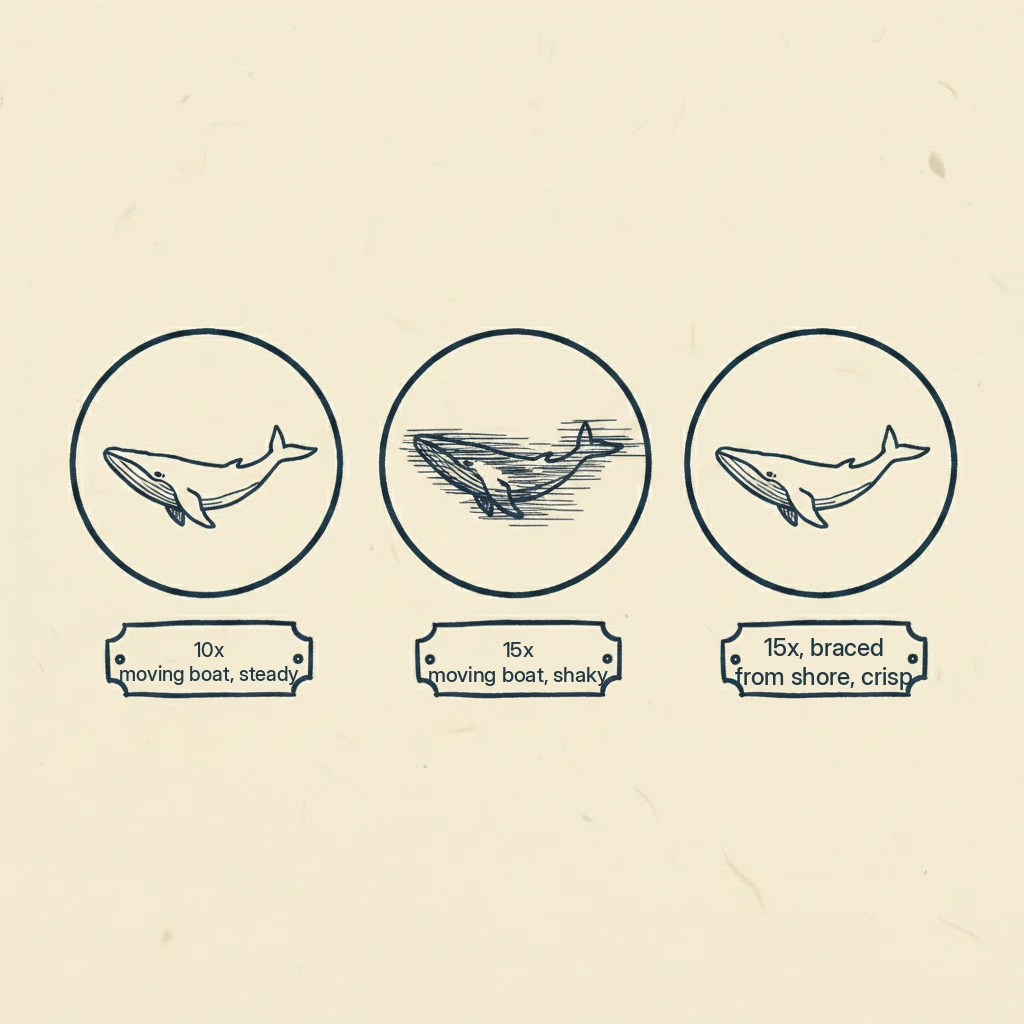 Binoculars for Whale Watching: Boat or Shore Changes the Answer On a whale-watching boat, use 8x or 10x binoculars, because higher power shakes. The Vortex Triumph HD 10x42 runs about $100.
 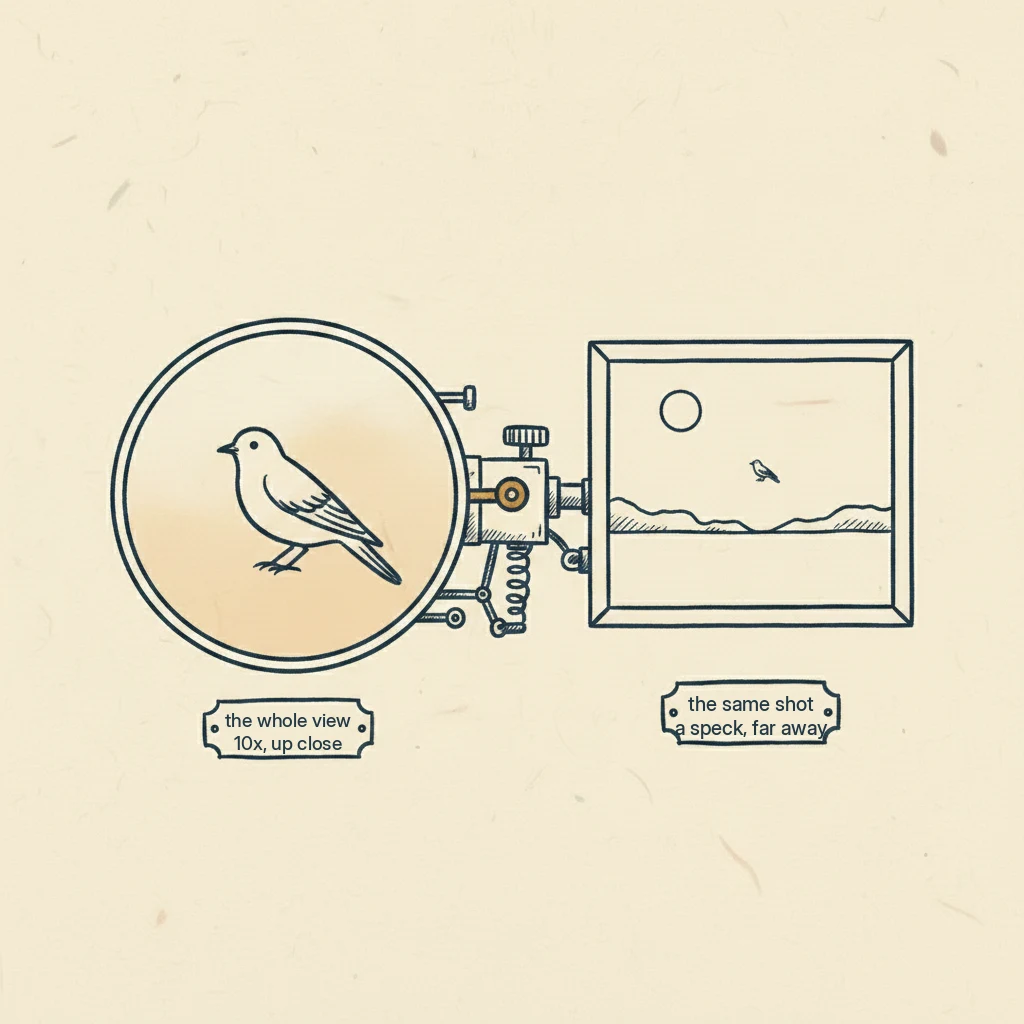 Binoculars That Take Pictures: Not a Scam, But Not a Camera Either The built-in camera usually has its own separate lens instead of looking through the binocular, so the photo won't match what you saw.
 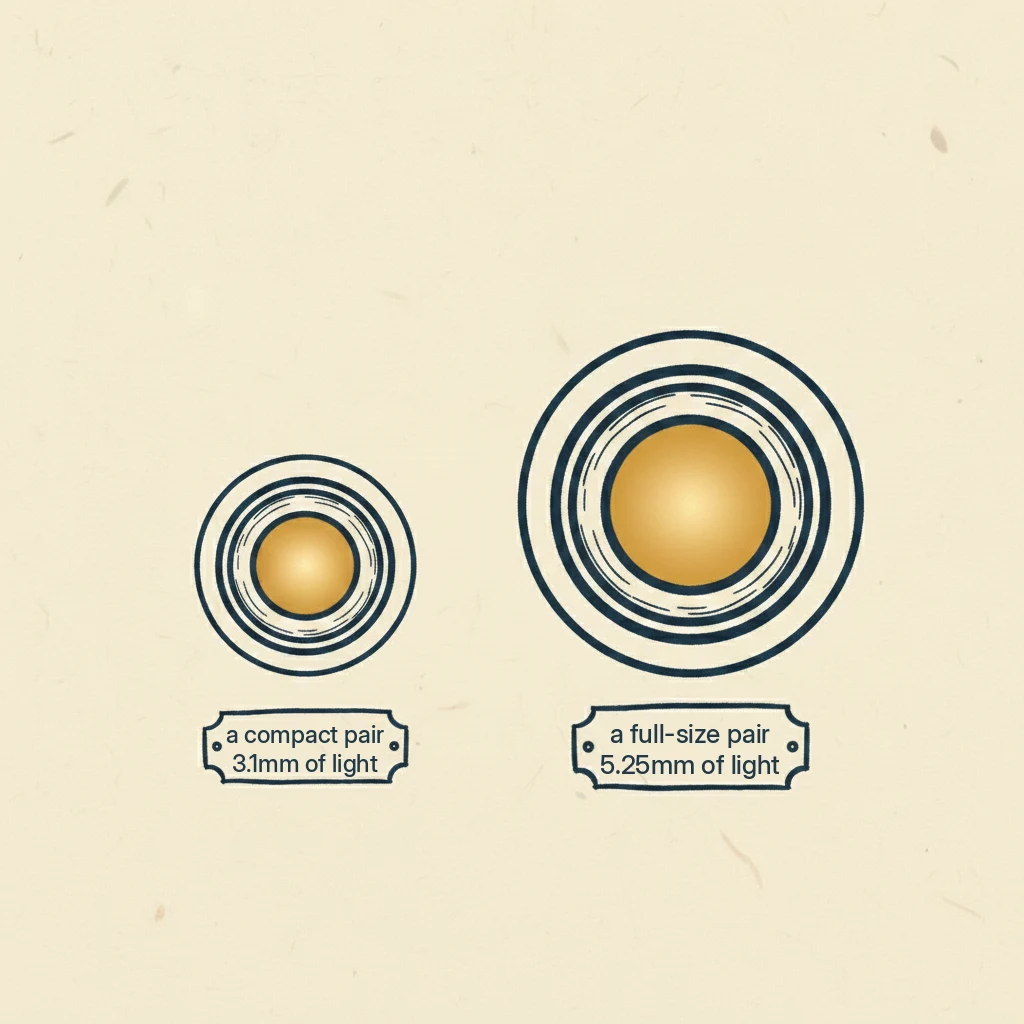 Compact Binoculars for Bird Watching: What the Small Pair Gives Up, and When It Matters A compact 8x25 is a real birding binocular, and the right buy if the alternative is leaving the big pair at home.
 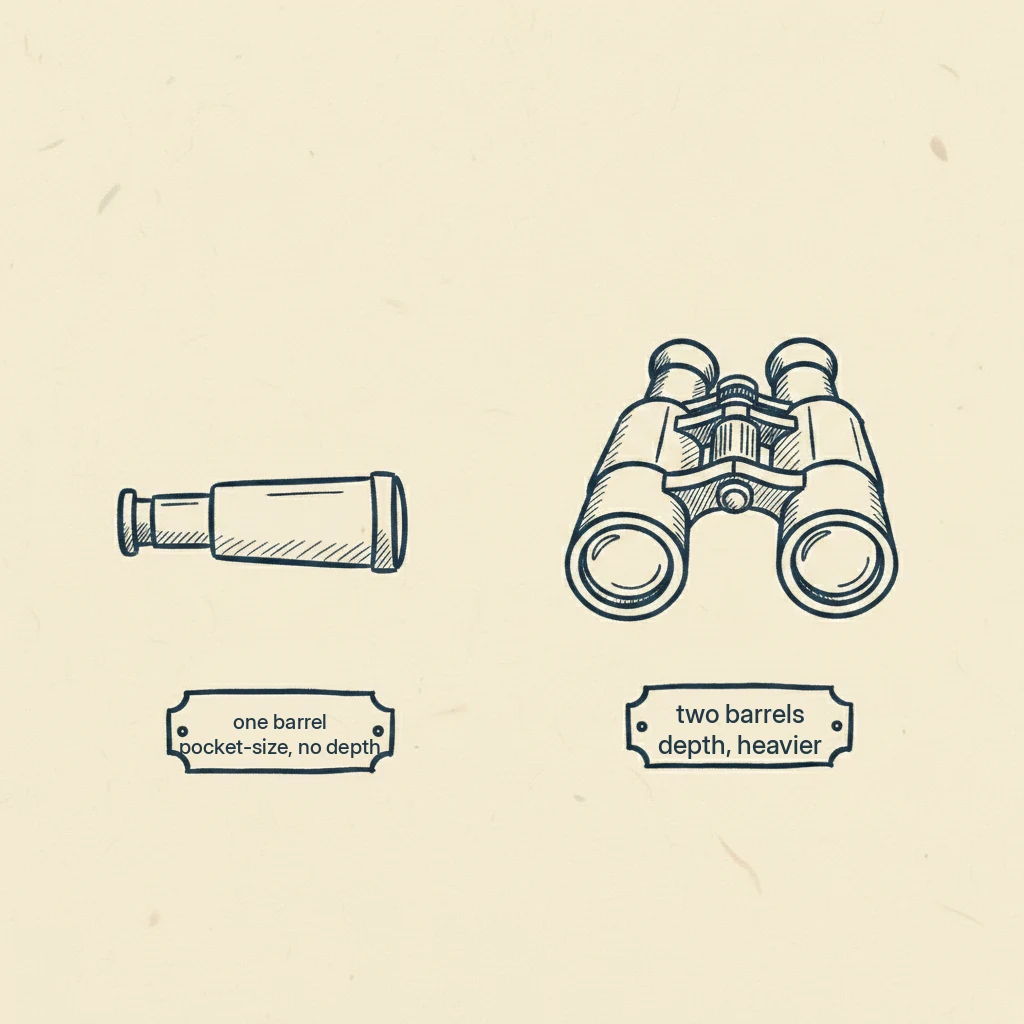 Monocular for Bird Watching: When It's the Right Call, and When It Isn't An 8x monocular is cheap, pocketable, and one-handed, and a good one runs about $80.
 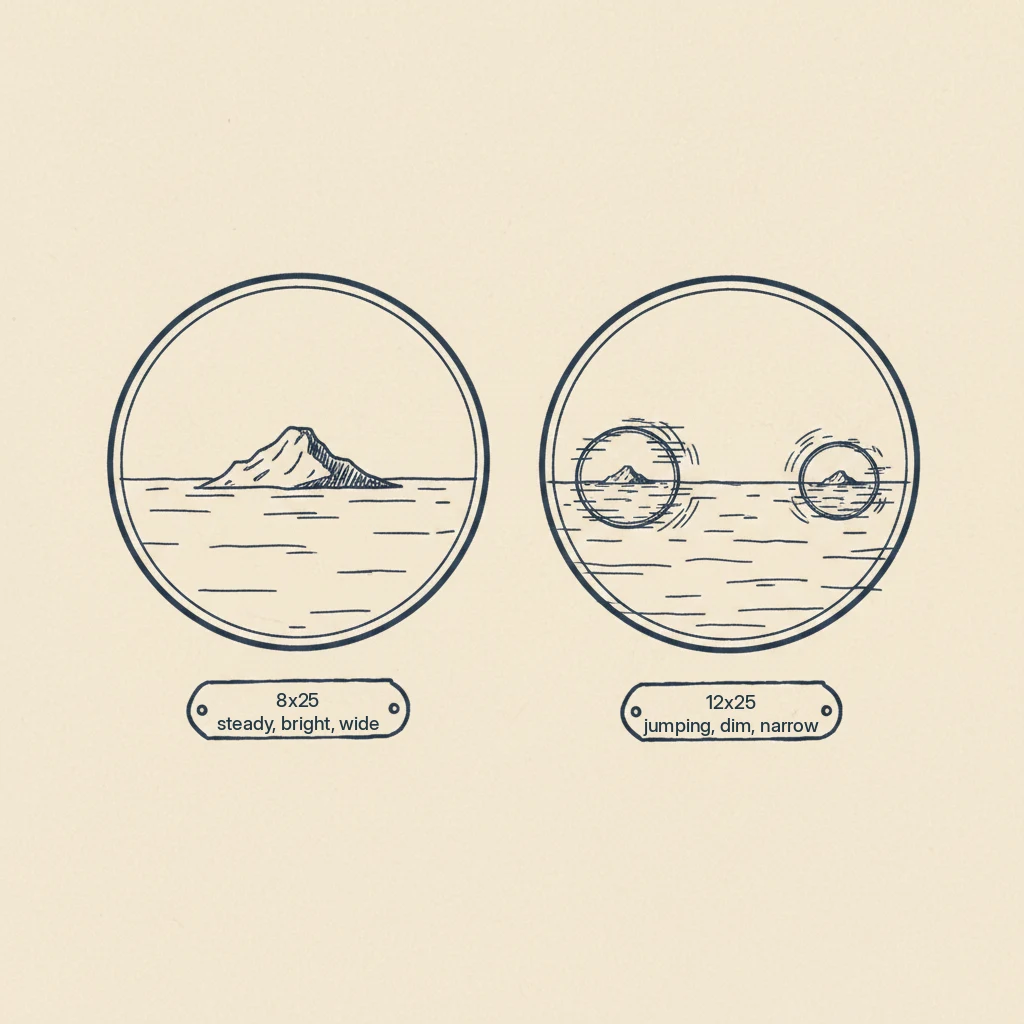 The Best Binoculars for a Cruise: A Compact 8x25 You'll Actually Carry For a warm-water cruise the pick is a compact 8x25, about $70, because the light is good and you're carrying it all day.
 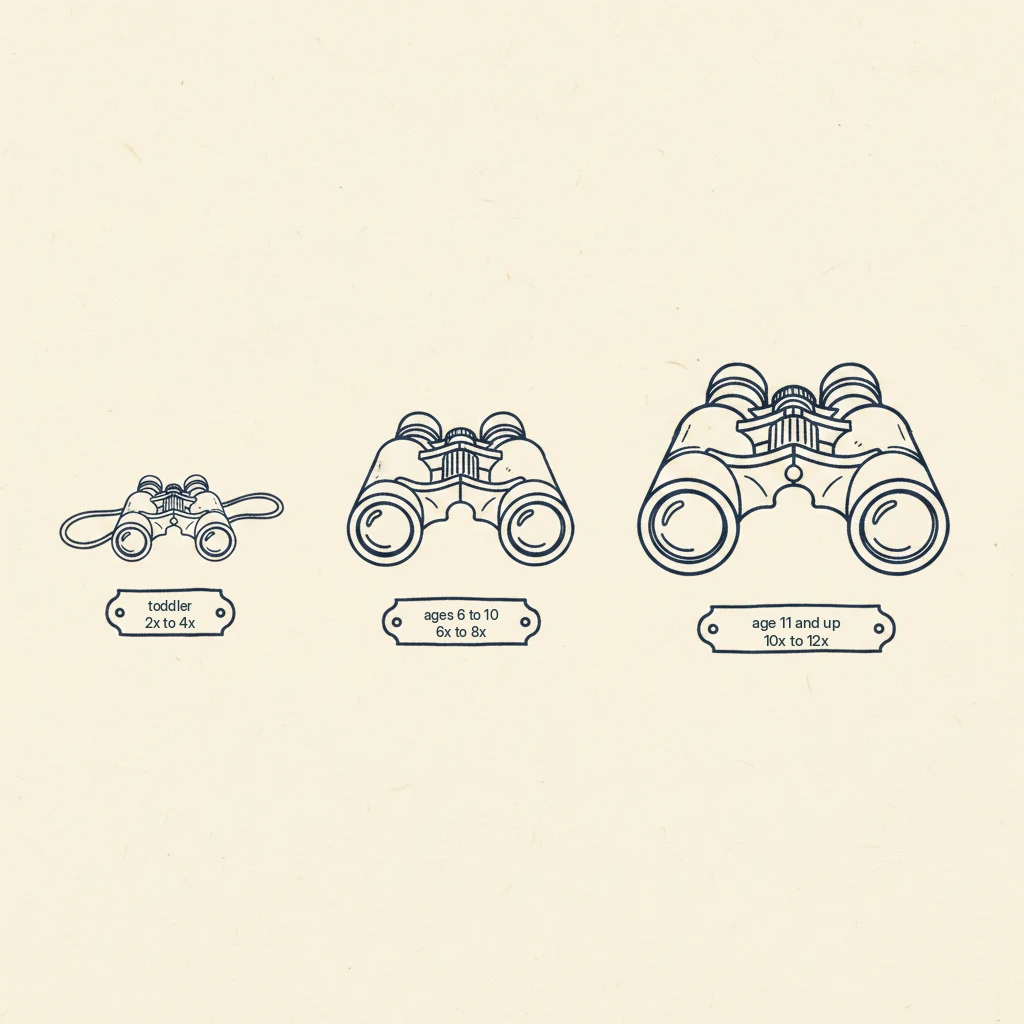 The Best Binoculars for Kids: Low Power, Tough Build, Cheap Enough to Drop For a kid, buy low power and durability over everything: a 6x to 8x rubber-armored pair (2x to 4x for toddlers)…
 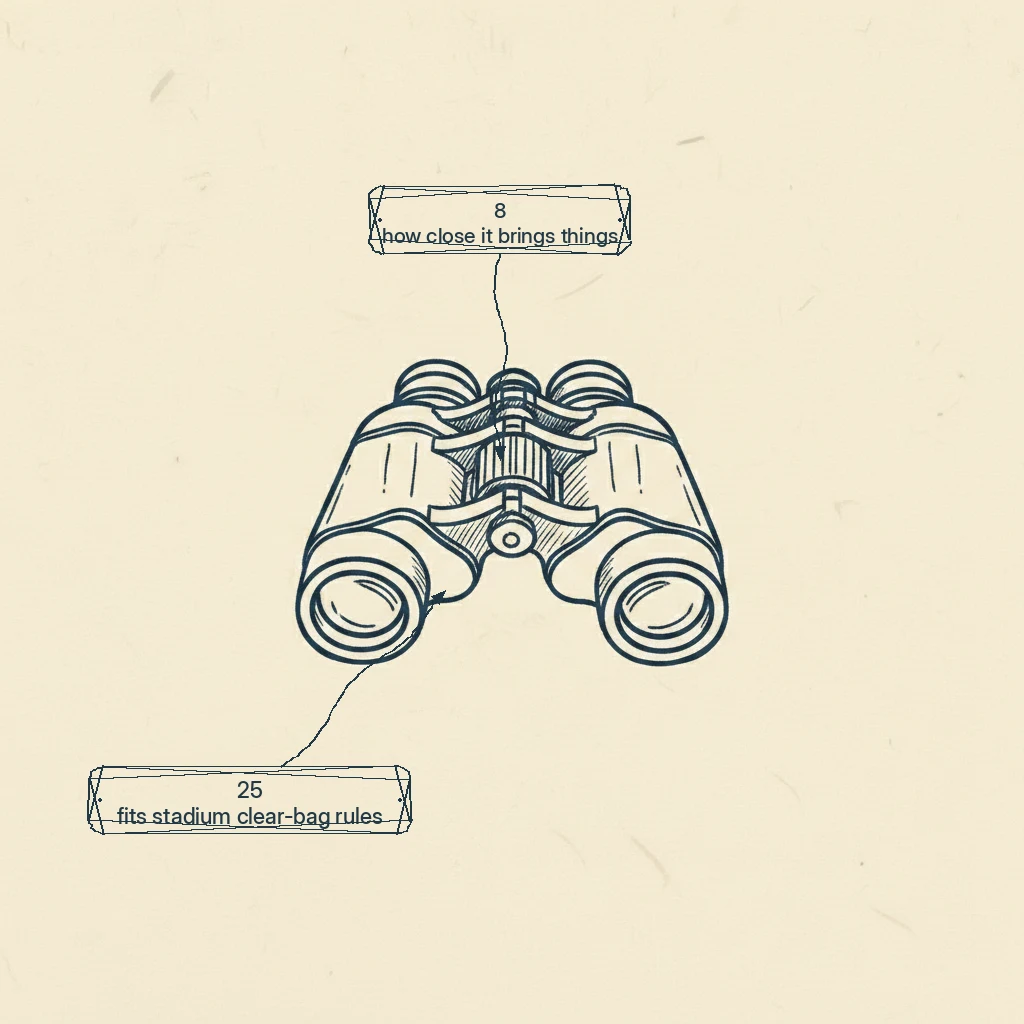 The Best Binoculars for Sporting Events: 8x, Compact, Nothing Fancier For the stadium, buy an 8x compact with a 25 to 32mm body, like the Celestron Outland X 8x25 at about $70.
 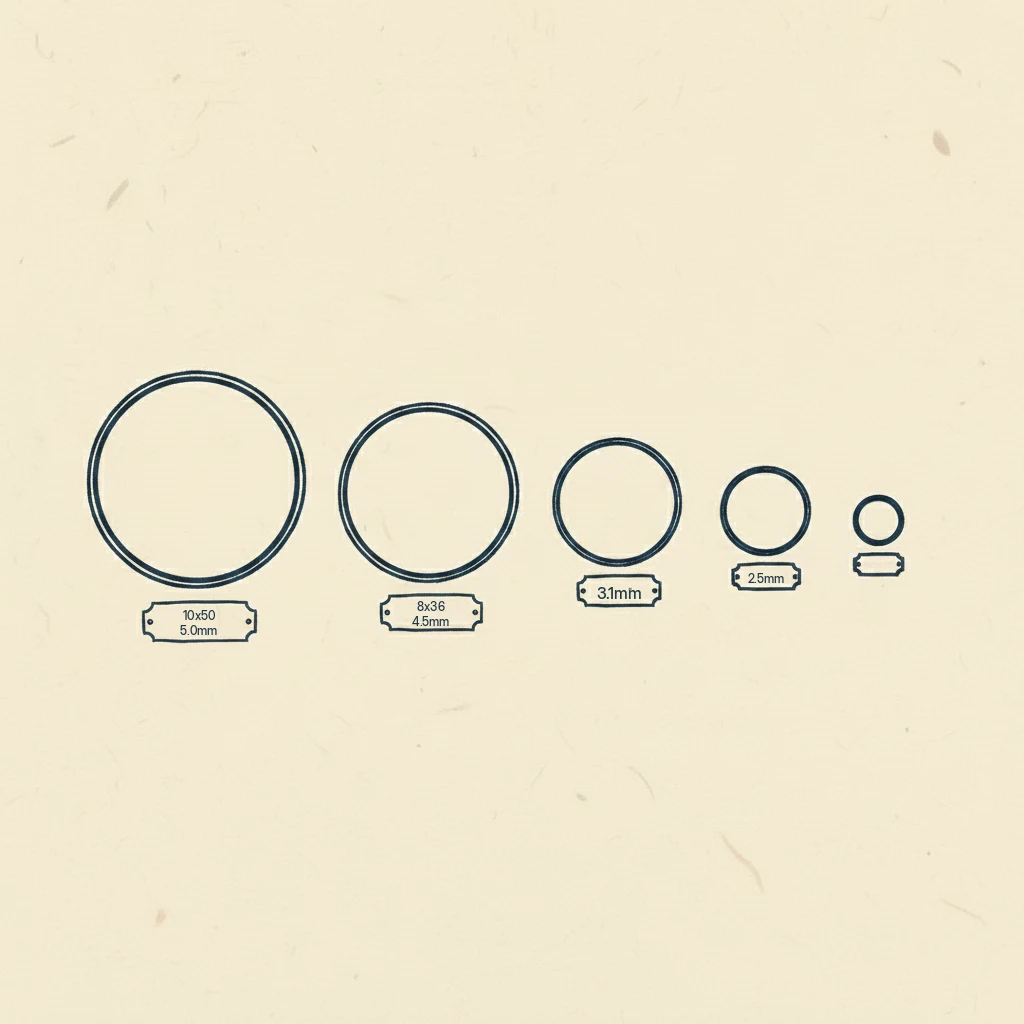 The Best Monocular for Stargazing: When One Eye Is Right, and When It Isn't For most people binoculars beat a monocular for the night sky, two eyes and more light…